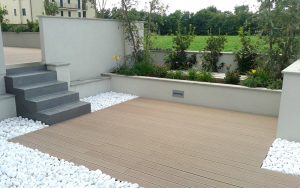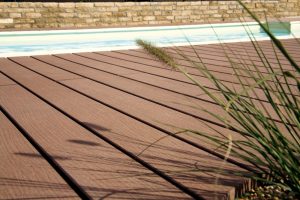
In recent years, with the deepening of environmental protection concepts and the continuous upgrading of home decoration quality, a material that combines green properties and excellent performance is quietly entering thousands of households, and that is plastic wood flooring. It is not traditional wood, but a composite of recycled plastic and plant fibers, bearing the environmental genes of resource recycling from its inception. At the same time, its excellent moisture resistance, corrosion resistance, and high wear resistance completely break through the many limitations of solid wood or composite flooring, bringing a new choice with both aesthetic and practical value to modern home spaces, leading a strong trend in decoration.
What is plastic wood flooring? Revealing its core advantages of environmental protection and durability
Plastic wood flooring is composed of wood fibers and environmentally friendly polymer materials. Its environmental advantage lies in the extensive recycling of waste wood and plastic, reducing resource consumption and waste pollution. Durability comes from material properties: it combines the texture of wood with the toughness of plastic, is waterproof and moisture-proof, is not easily deformed or cracked, and can resist insect infestation and mold. The surface wear-resistant layer enables it to withstand daily wear and maintain stable color over long-term use. This material performs particularly well in harsh outdoor environments, with a lifespan far exceeding that of ordinary wood.
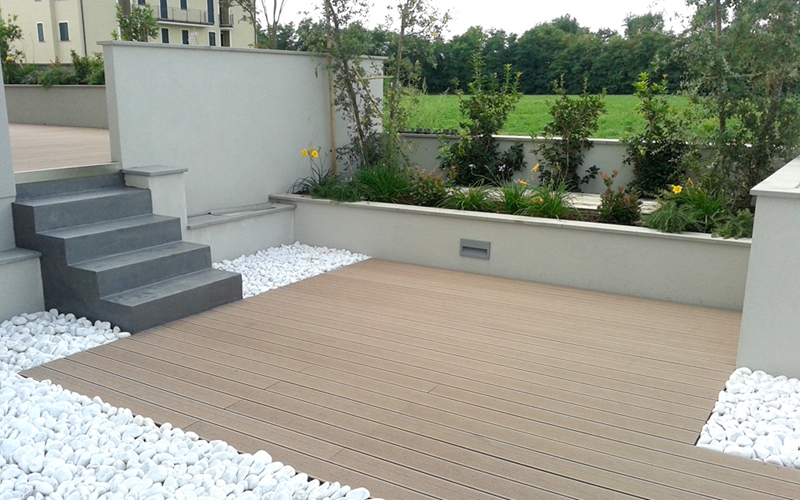
Why has it become the new favorite of home furnishings? Four major breakthroughs compared to traditional flooring
Compared to solid wood flooring, plastic wood flooring is waterproof and moisture-proof, and is not afraid of damp environments such as kitchens and balconies. Compared to composite flooring, it does not require adhesive bonding and fundamentally eliminates formaldehyde emissions, making it green and healthy. Faced with the cold and hard nature of ceramic tiles, plastic wood has a warm wooden feel, better elasticity, and comfortable foot feel. Its excellent weather resistance is a breakthrough, not afraid of sun, rain, insect damage and corrosion. It has been used in outdoor courtyards for many years without deformation or fading, and the maintenance cost is extremely low.
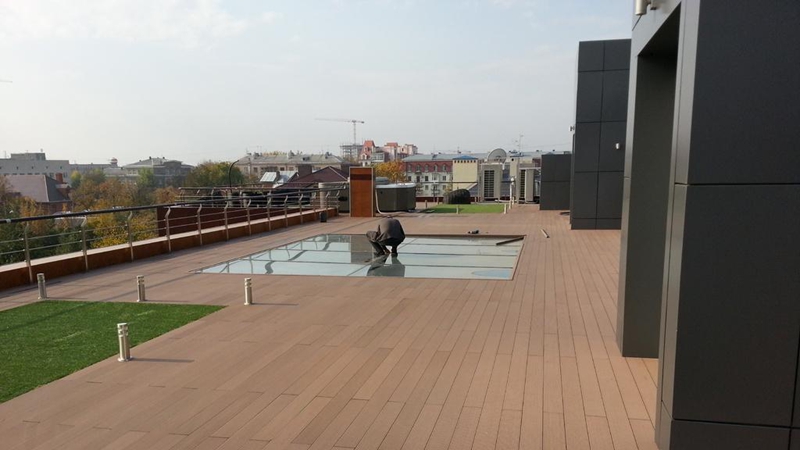
From Indoor to Outdoor: Multi scenario Application and Installation Points of Plastic Wood Flooring
The application scenarios of plastic wood flooring are extremely wide. Indoor living rooms and bedrooms can create a natural and warm atmosphere, and their moisture-proof properties are also suitable for areas such as kitchens and balconies. Outdoor courtyards, terraces, and poolside are its advantages, not afraid of sun and rain, and slip resistant and safe. Installation often uses lock buckles or suspended keels, which are convenient and efficient. The key is to ensure that the base layer is flat and dry. Expansion joints should be reserved for outdoor installation to adapt to temperature differences. When directly fixing, it is recommended to use stainless steel clamps to avoid rusting.
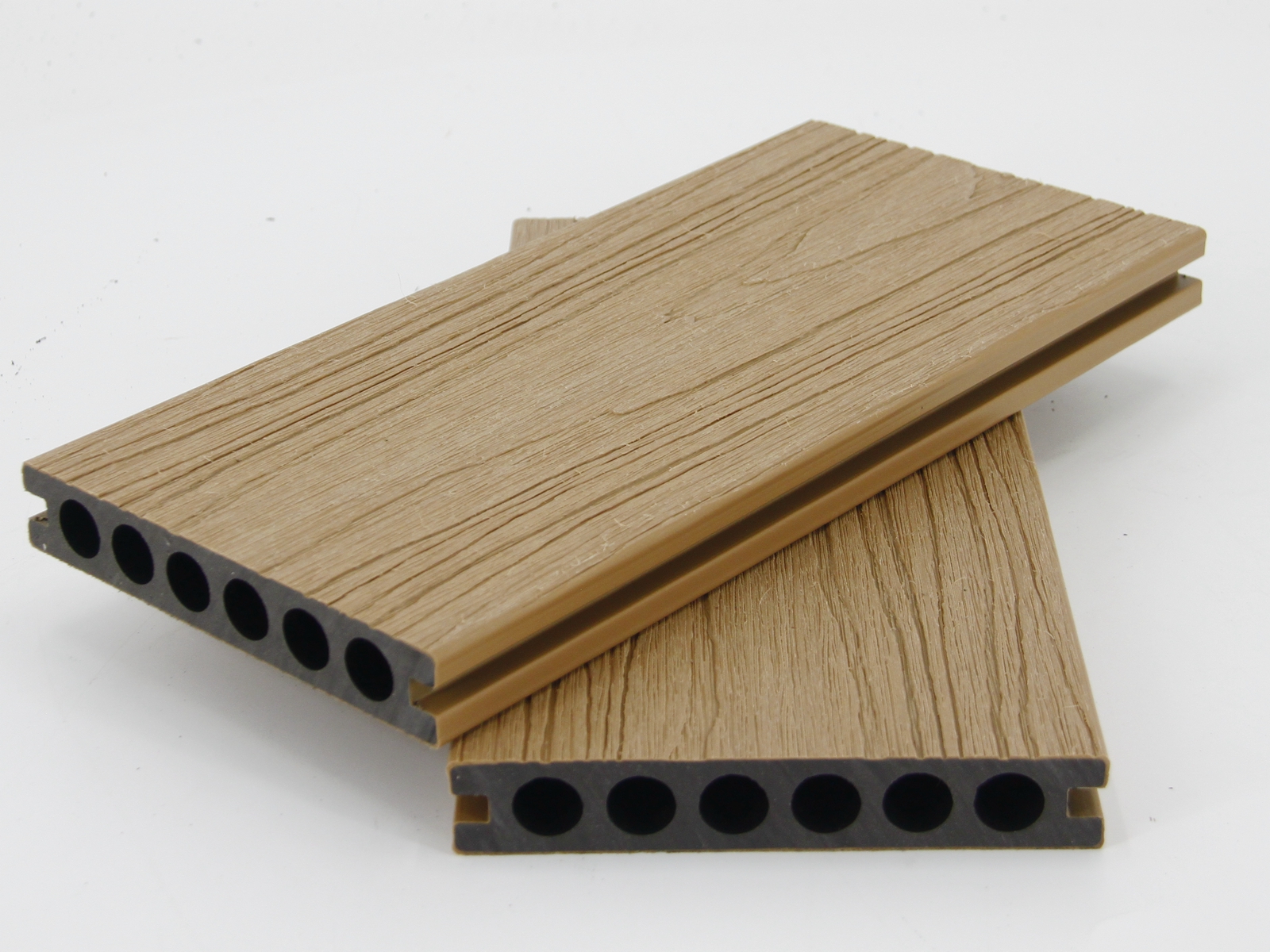
Selection and Maintenance Guide: How to Make Plastic Wood Flooring Last Like New for a Long Time
When purchasing, pay attention to product density and surface coating. High density and wear-resistant layers can enhance impact and scratch resistance. Prioritize choosing reputable brands to ensure environmentally friendly and pollution-free materials. Daily maintenance is very simple. Regularly wipe with clean water or neutral detergent to avoid corrosion from strong acids and alkalis. Stubborn stains can be lightly brushed with a soft bristled brush. Attention should be paid to reserving expansion joints for outdoor installation to avoid water accumulation. Long term exposure to sunlight can consider using shading measures. Slight fading is a normal phenomenon and does not affect performance.